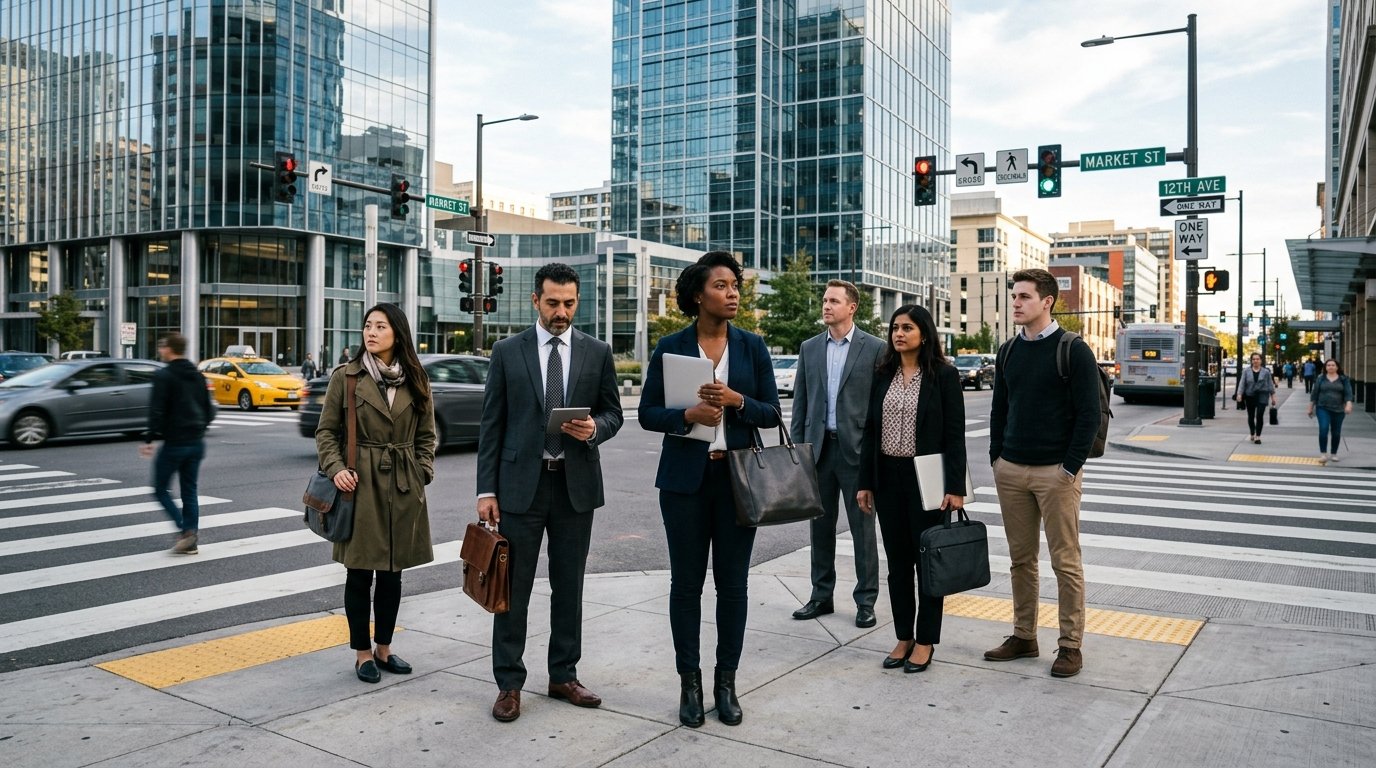
Something shifted in how Americans think about work and it happened faster than most people saw coming. The old reasons people stayed in the same job for decades just stopped holding up. This is not panic or impulsiveness from people who got bored. For most of them this decision has been sitting quietly in the back of their head for years.
Burnout Finally Won

Retail and hospitality workers kept saying the same three things every time anyone asked. Burnout. Low wages. Nowhere to go from here. At some point staying stopped feeling like stability and just felt like a trap nobody was actually forcing them to stay in.
Better Pay Was Right There

39 percent of people thinking about switching are doing it because another industry is openly paying more for stuff they already know how to do. When the math is that visible it gets hard to keep ignoring it every single morning.
Degrees Stopped Being the Barrier

Job postings requiring a four year degree dropped more than 30 percent between 2017 and 2024 across middle skill roles. A lot of people assumed switching fields meant going back to school first. Turns out it did not.
Hiring Changed Completely

Skills based hiring was at 56 percent in 2022. By 2024, it rose to 81 percent. Employers stopped asking where you went to high school and started asking what you can actually do. That one change made a career change tangible for individuals who had written it off entirely.
Flexibility Got Pulled Back Without Warning

People built their whole lives around remote and hybrid schedules. Then a lot of employers quietly pulled that back. When your entire routine is built around flexibility losing it is not a small thing and a lot of people started looking elsewhere pretty fast after that.
Federal Layoffs Sent People Somewhere New
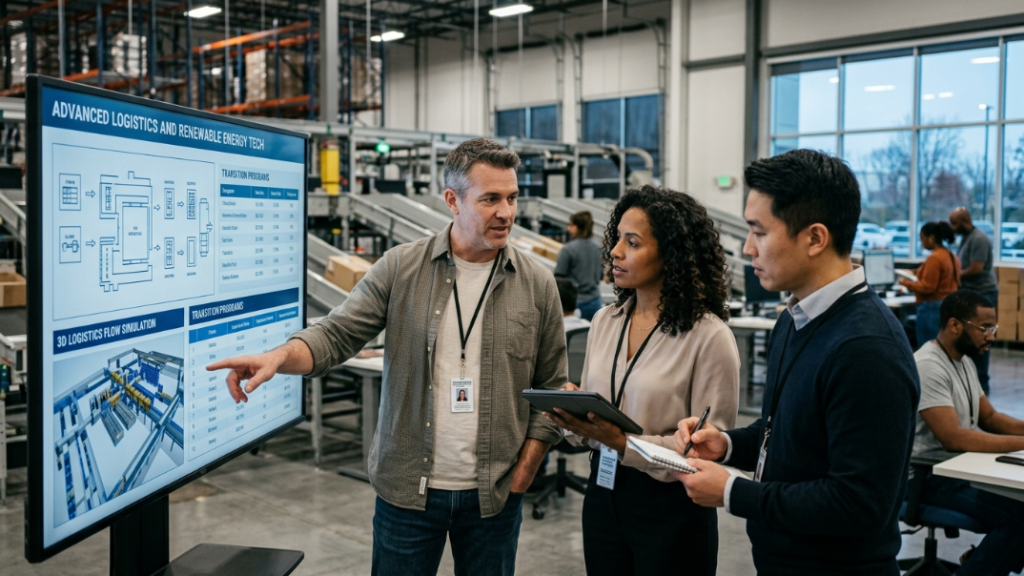
National employment fell by 355,000 from the peak in October 2024. Workers who spent careers in federal roles entered the private sector for the first time and many of them ended up in industries that had never been critically considered before.
Trades Started Making Real Sense
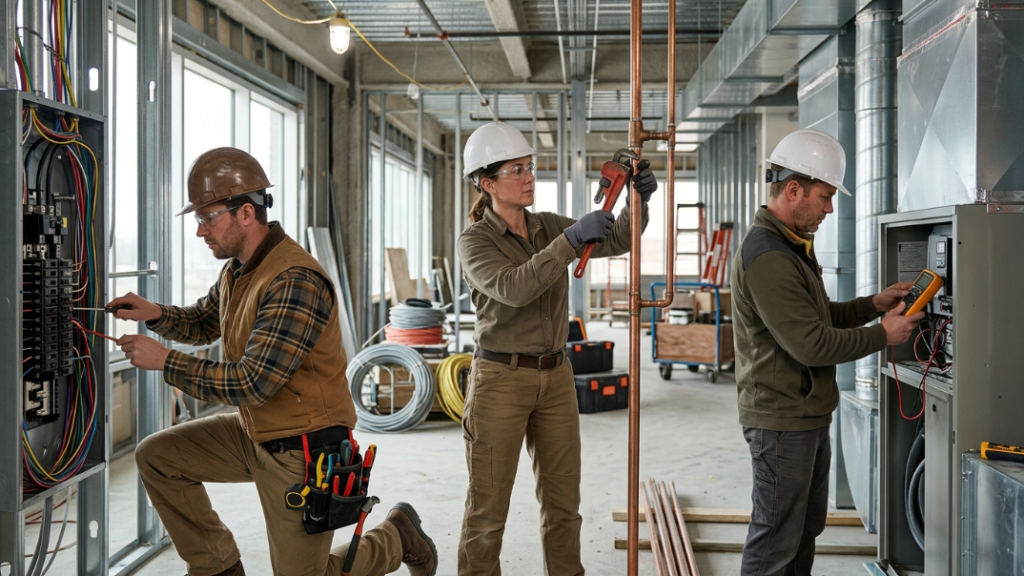
Electricians. Plumbers. HVAC. People in their thirties and forties started looking at trades seriously and the numbers made it hard to argue against. Stable work, good pay, no degree required. The stigma faded pretty quickly once the paychecks got impossible to dismiss.
Digital Skills Opened New Doors

Workers who use better digital skills at work earn somewhere between 40 and 65 percent more than people who no longer do so. That gap got noticed. A lot of people retrained and crossed into industries that felt completely out of reach before they actually looked into what it would take.
Nobody Is Satisfied Anymore

14 percent of Americans say they have a great job they would not change. Just 14. That number explains most of what is happening right now without needing anything else added to it honestly.
The Whole Idea of a Career Changed

Thirty years in one field stopped being the goal somewhere along the way and nobody really announced it. Career mobility now looks like building in stages across different industries. Flexible scheduling. Personalized paths. It is not seen as instability anymore. For most people in 2026 it is just how work goes.