
Managing money has turned into a kind of creative project for many Americans today. It is not just clipping coupons anymore; it feels like a high energy balancing act between staying afloat and finding little ways to enjoy life. From “financial contortions” to a more intentional way of spending, people are shifting how they deal with their wallets toward something more real and deliberate.
The Great Balancing Act

A lot of households are playing what might be called a game of “financial tag.” Instead of one single target, roughly a third of people try to reduce high interest credit card balances and at the same time build an emergency stash. It is a two track approach meant to give a safety net while also clearing a path forward.
Mindful Spending Takes Center Stage

The age of strict rigid budgets is fading away. In its place, mindful spending has become the new normal. Folks are more aware of where each dollar goes, choosing steady tracking over strict rules. This opens up a more relaxed balanced mindset that can absorb surprise costs now and then.
Strategic Trade Offs

Americans are getting clever with weekly routines to save money. A common move is to live cheaper during work days, cook at home and skip extra costs so they can free funds for social plans and weekend fun. It is about deliberate sacrifices to pay for the things that really matter.
Tapping Into Home Equity

With card interest rates at high levels, homeowners look for smarter borrowing methods. Many turn to home equity lines of credit HELOCs. Because these often carry lower rates than credit cards, people use them as a tool to consolidate bills or take care of big repairs at home.
The Rise Of Financial Realism

There is a wave of what some call financial realism going across the country. Folks are walking away from getting rich quick ideas and going back to the basics: grow savings, increase income and manage the everyday cost of living. It’s a grounded, practical direction for long term stability.
Protecting The Joy Factor

Even when money is tight, people refuse to give up the things that bring them happiness. Be it a morning coffee or a dinner out each month, these small non negotiable pleasures are defended. The plan is not to stop spending but to find creative paths to cover the cost of those small joys.
Relying On Tax Windfalls
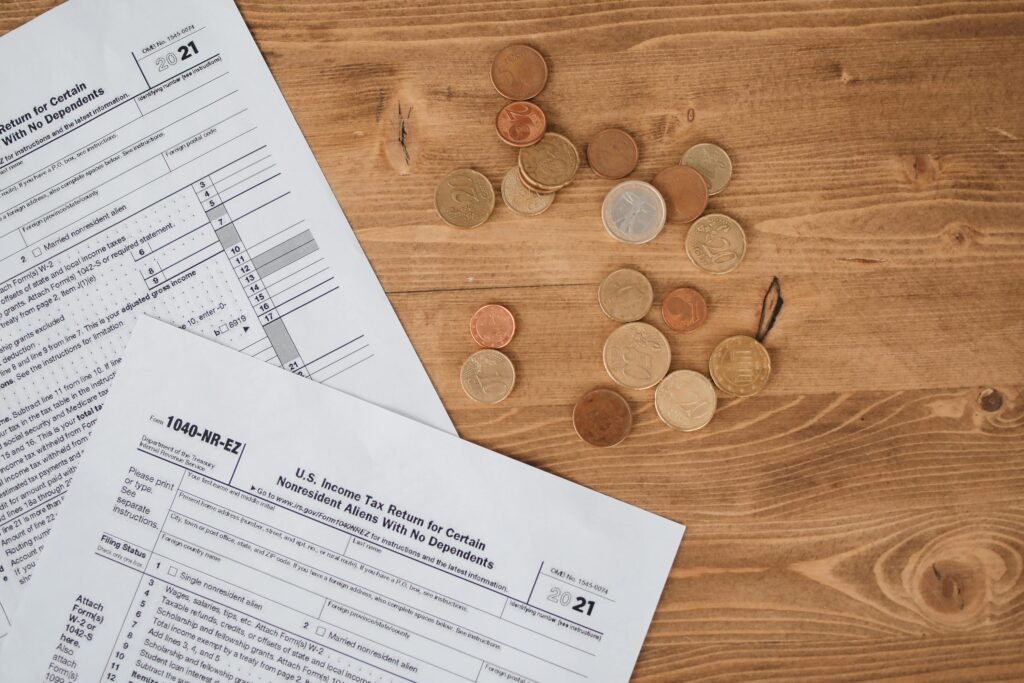
Tax refunds are treated like a yearly reset. For many, a bigger than expected refund is the moment to make a lump sum payment on a card or to kickstart a stalled savings account. It is seen as a once a year bonus that gives a welcomed breath of fresh air.
Navigating The Credit Crunch
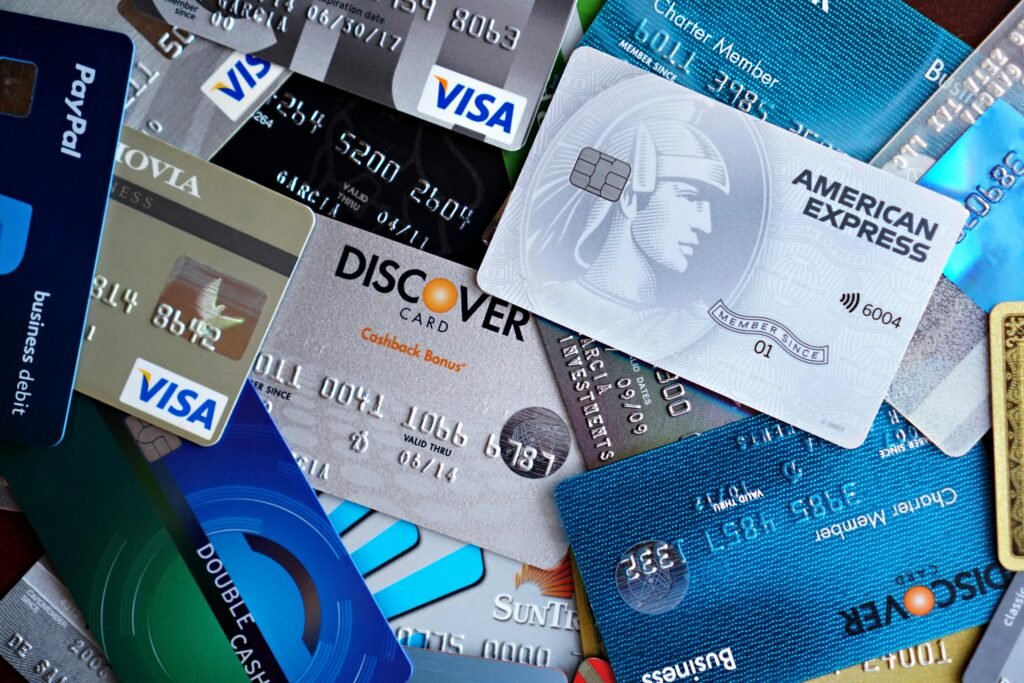
While total debt climbs, the rate of new borrowing is slowing in some parts. People are more cautious about taking new loans, especially for cars or retail buys and this disciplined approach to credit shows rising awareness of high rates and a wish to keep balances manageable.
The Generation Gap In Savings

Different age groups handle money in their own ways, while older generations often have a solid cushion, the younger adults, Gen Z focus on cash flow and try to avoid debt where possible and many young people choose to stay debt free even if it means they havent built a big savings pot yet.
A Tech Forward Financial Future

From apps that track every penny to new forms of collateral for big purchases, Americans lean into technology. Digital tools make it easier to picture debt free dates and to automate savings, turning what used to be a chore into something more interactive and easier to manage.