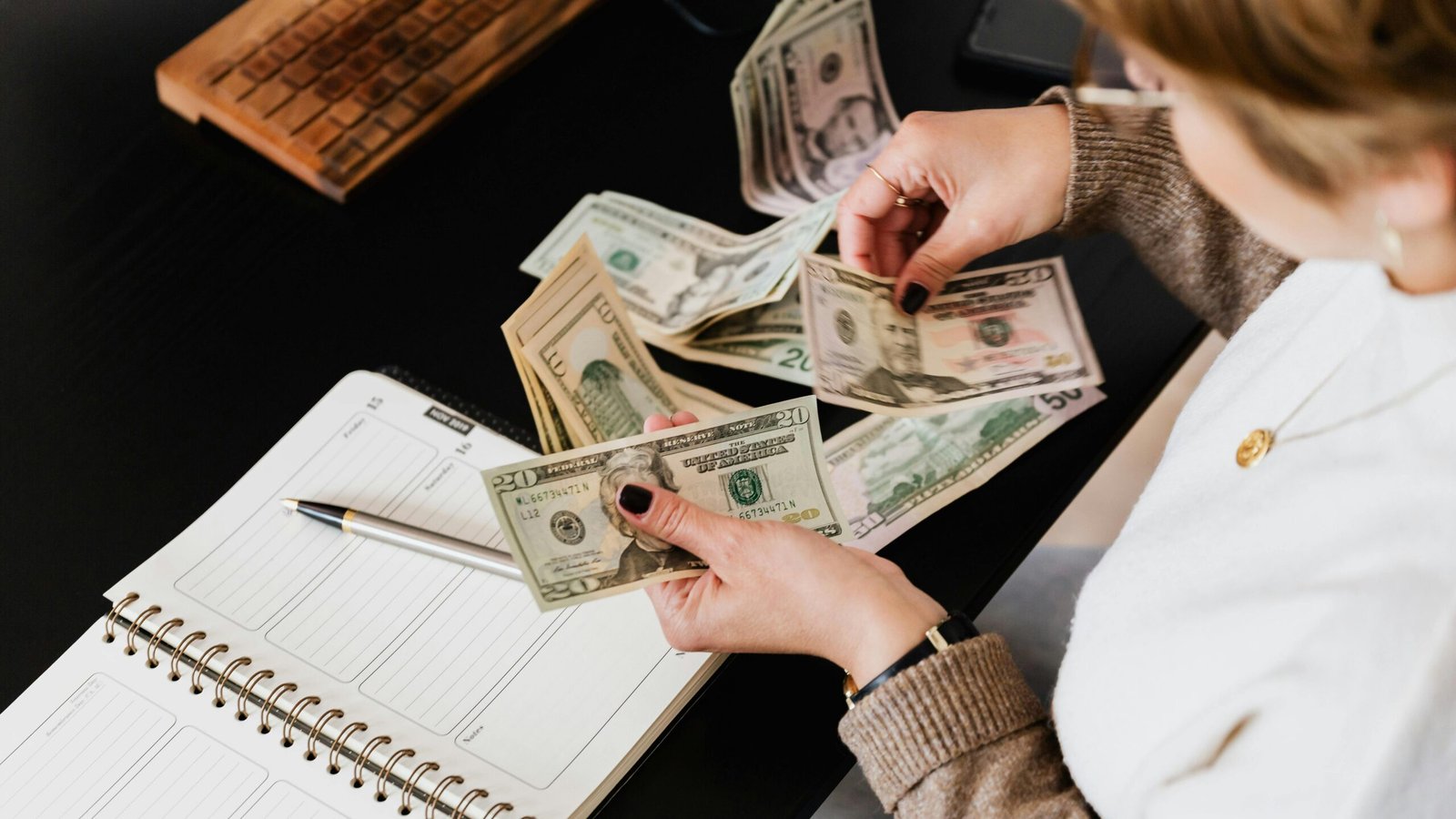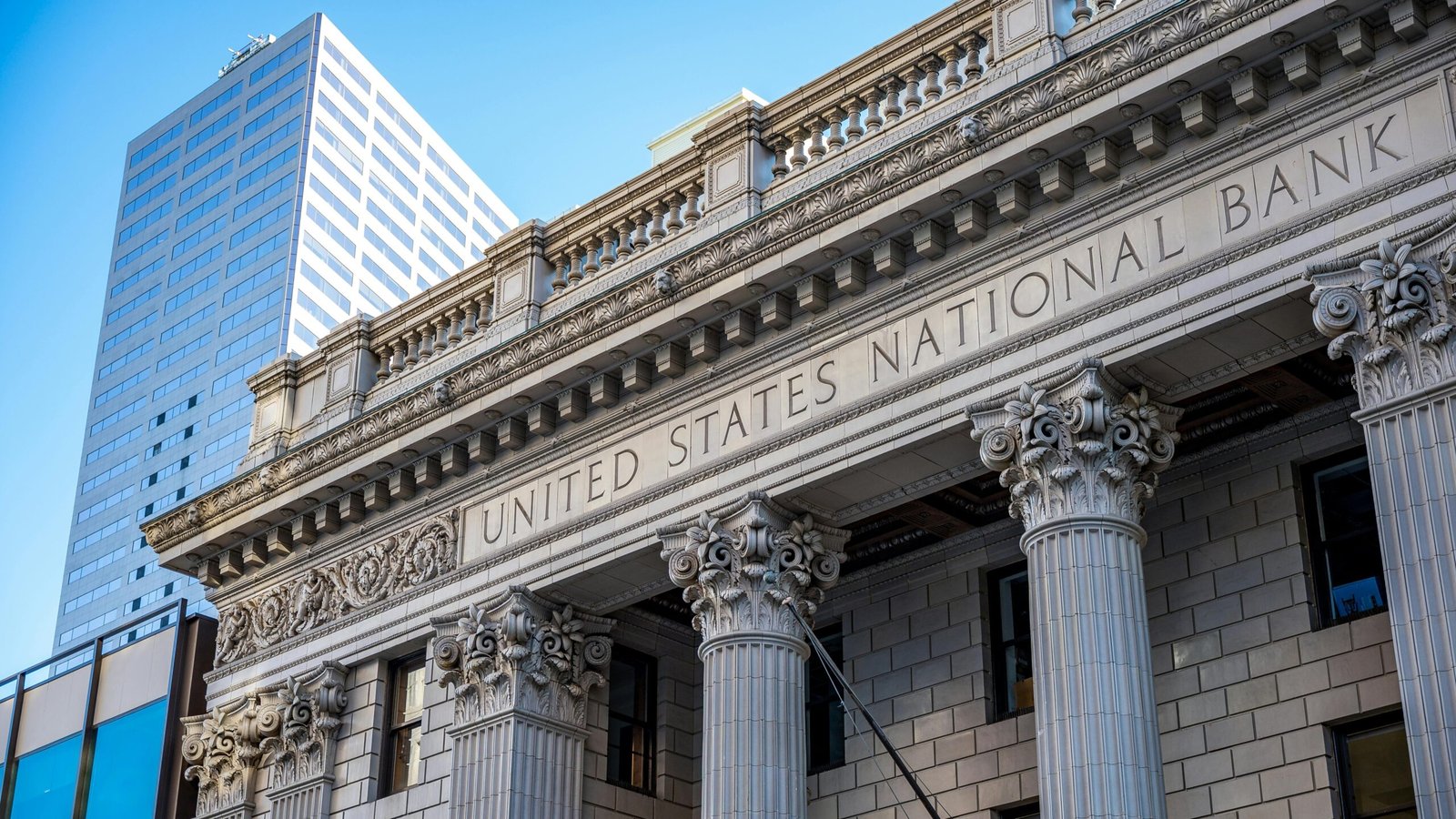
The late 19th century in America wasn’t just about the Wild West and steam engines; it was an era of high-stakes financial drama and before the Federal Reserve existed, the banking system was like a house of cards in a windstorm, when people got spooked, they ran to the banks, and the resulting panics shaped the modern world we live in today.
How Early Banks Were So Fragile
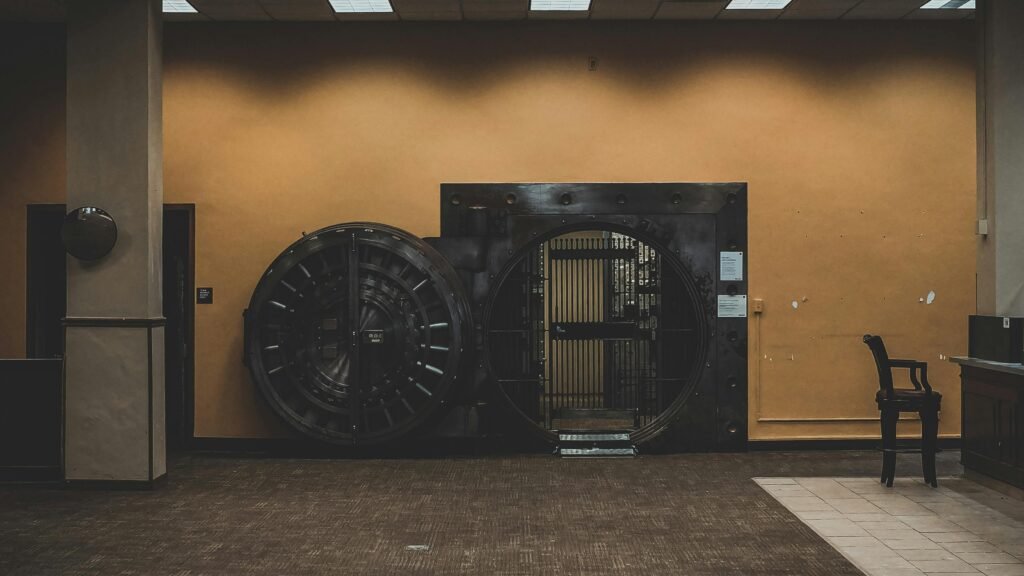
Back then, banks did not keep everyone’s money in a vault, they loaned most of it out to build long stretches of railroad and big factories. This so-called fractional reserve idea worked, until suddenly everyone wanted their cash at the same time. Without any central bank to act like a safety net a single hint of doubt could spread fast.
The Spark of a Rumor

News moved by telegraph and by word of mouth and often got bent along the route. If a big railroad failed or a prestigious firm went under, a contagion of fear would move through towns. People did not wait for the morning paper, they would go to the teller to be first, knowing that the last person might get nothing.
The Run, and the Chaos

Imagine a calm street turning into a scene of desperation. Crowds would grow outside bank doors, with people shouting and showing their passbooks. These runs were a kind of prophecy that made itself come true: the more folks thought the bank had no money, the quicker it actually ran out.
Dominoes Across The Country

Banks were tied together, closely. If a big bank in New York got into trouble, it would call loans back from smaller country banks, and that set off a chain of failures reaching from Wall Street to a farm village, proving nobody was safe from the storm.
When Cash Became Scarce
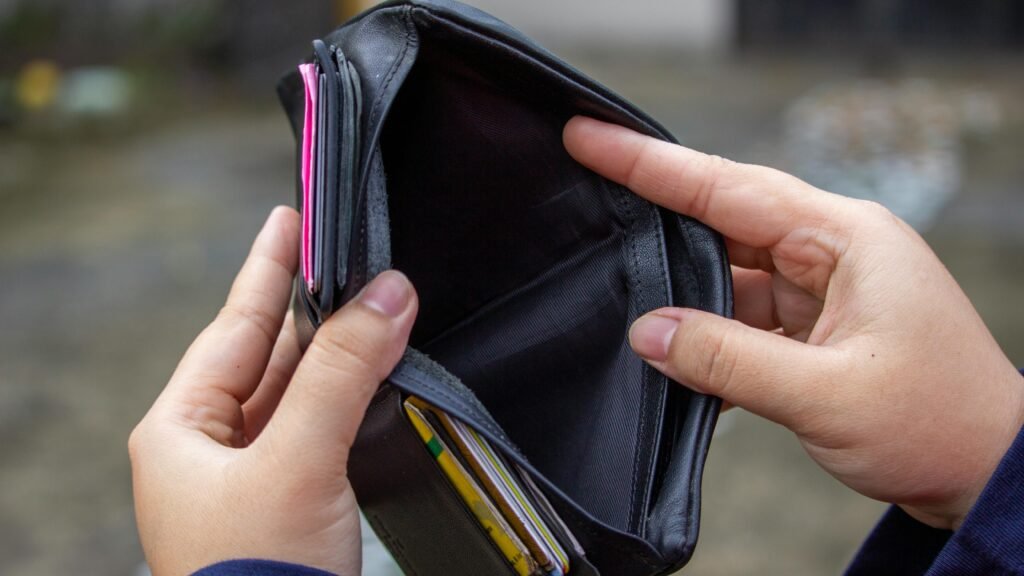
When gold and paper money dried up, the economy nearly stopped. Sometimes banks locked their doors and refused payouts leaving families without groceries and businesses unable to pay workers and it was a real liquidity squeeze, like the air was being taken out of the room.
Private Saviors Stepping In

With little government help, rich bankers like J.P. Morgan sometimes stepped up personally. In the worst panics these men would lock other bankers in a room and make them pool resources to stop the damage, acting as if they were a one-man central bank.
How It Hit Everyday People

These shocks were not just ledger numbers, they created deep depressions. Unemployment shot up and the Gilded Age lost its shine. For the average family a banking panic meant years of hardship and a lasting mistrust of the suits in the big cities.
Pushing For Change
After repeated chaos during the 1870s, 80s and 90s, public opinion turned; the wild-west way of banking had to end and the exhaustion from the boom and bust cycles helped push toward creating the Federal Reserve in 1913, meant to give the stability the nineteenth century lacked.
A Lesson About Confidence

We study those panics because they taught the value of confidence. Modern protections like deposit insurance were born from hard lessons on those frantic streets. They remind us a healthy economy rests as much on trust, as on gold.