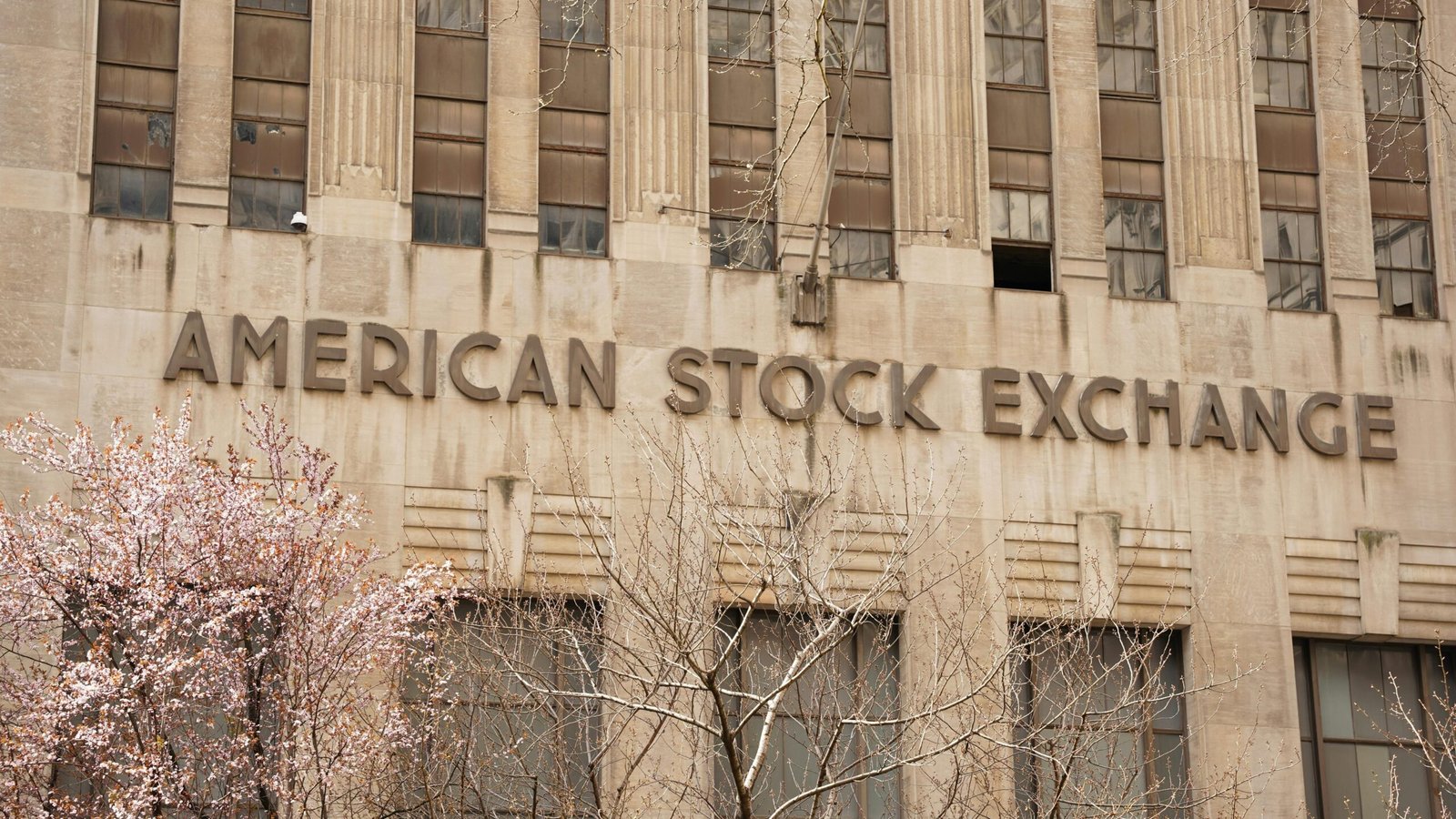
The 1929 crash marks an important turning point in American social history and a significant blow to the world economy. There was a period in the roaring twenties when men and women thought about how the stock exchange would constantly proceed upward. Small investors invested in stocks, businesses grew rapidly, and borrowing heavily was done by investors. However, there were grave flaws in the economy under the surface. When the complete loss of confidence occurred, panic set in on Wall Street, and in no more than a few days. People began to lose their fortunes, banks collapsed and unemployment sky-rocketed. The disaster was dubbed the onset of the Great Depression.
Boom Years

The 1920s were prosperous in U.S. economic history. Manufacturing output grew, consumer spending rose, and the price of stocks soared. In many ways, many Americans chalked up continuing good fortune to the heavens.
Easy Investing

Everyone began trading on the stock market.Everyone began investing in stocks, regardless of their background. Many purchased stock on margin, to speculate of prices continuing to appreciate and to have short-term profits.
Market Bubble

The stock market and actual company values parted ways. Investors had more interest in parties than in business. The market became a Ponazi scheme, all ready to pop.
Black Thursday
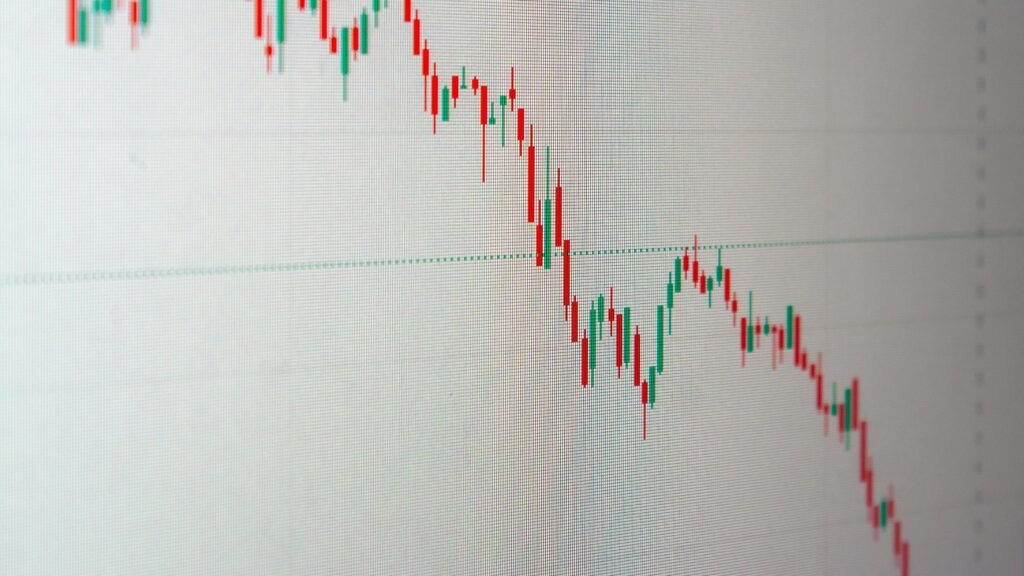
The stock market declined during a panic selling on October 24, 1929. Thousands of investors sold off their investments, precipitating share price falls. On Wall Street this day was to be referred to as Black Thursday.
Black Tuesday

This panic escalated on October 29, 1929. Prices fell sharply and there were millions of ructions. The worst day of the financial crisis was Black Tuesday.
Lost Fortunes

Forty million dollars and more were lost by many rich investors in a single night. For ordinary families, their life savings were also stolen. A few of those who borrowed money found themselves overwhelmed with debts.
Bank Failures
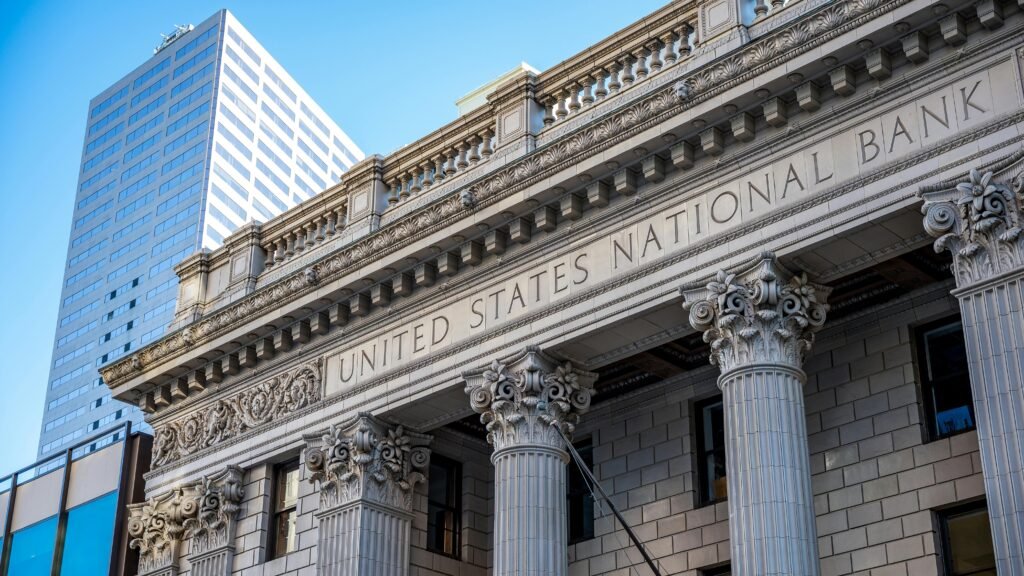
The banks had sunk much money in the business and were lending heavily. Customers hurried to take out money, as fear gripped the community. This led to the closure of thousands of banks all over the country.
Rising Unemployment

Companies cut back on manufacturing, on workers, and started to fire them. Businesses shut down, salaries reduced and joblessness was at an all-time high. The economy tanked and millions of Americans had a hard time sustaining themselves during that time.
Global Impact

The crash had a ripple effect throughout the world, not only in the United States. International trade contracts, countries’ economies suffered, and financial difficulties spread across the globe. The 1930s brought deep-level economic depression to many countries in the world.
Government Response

Early on, the leaders had a bad time finding their footing in response to the situation. Later, major changes would be made by President Franklin D. Roosevelt by the New Deal, to put banks back onto a solid basis, to create jobs, and to restore public confidence.
Lasting Lessons

The Wall Street Crash proved a lesson to governments and investors regarding speculation, banking regulations and economic controls. Financial markets today continue to rely on remedies developed in the wake of the disaster of 1929.