Financial security has recently become a high-stakes game of cat and mouse. Banks are seeing that today’s digital “pickpockets” can enter your home by simply using social engineering techniques. The institutions want customers to identify dangerous behavior through their human monitoring methods instead of using technological solutions.
The “Urgent” Text Trap

The text message informs you that your account has been locked and requires you to “click here” for a solution. People who experience real-life threats tend to act from their fear yet banks will never send you a link which requires your login credentials. If you think it is an emergency situation then it probably is a scam operation.
The Fake Employee Call

Scammers can make their caller ID look exactly like your bank’s official number. They may even know your name. A common trick is asking for a “one-time passcode” to stop a fake fraud. Your bank will never request that code through telephone communication.
The “Refund” Scam
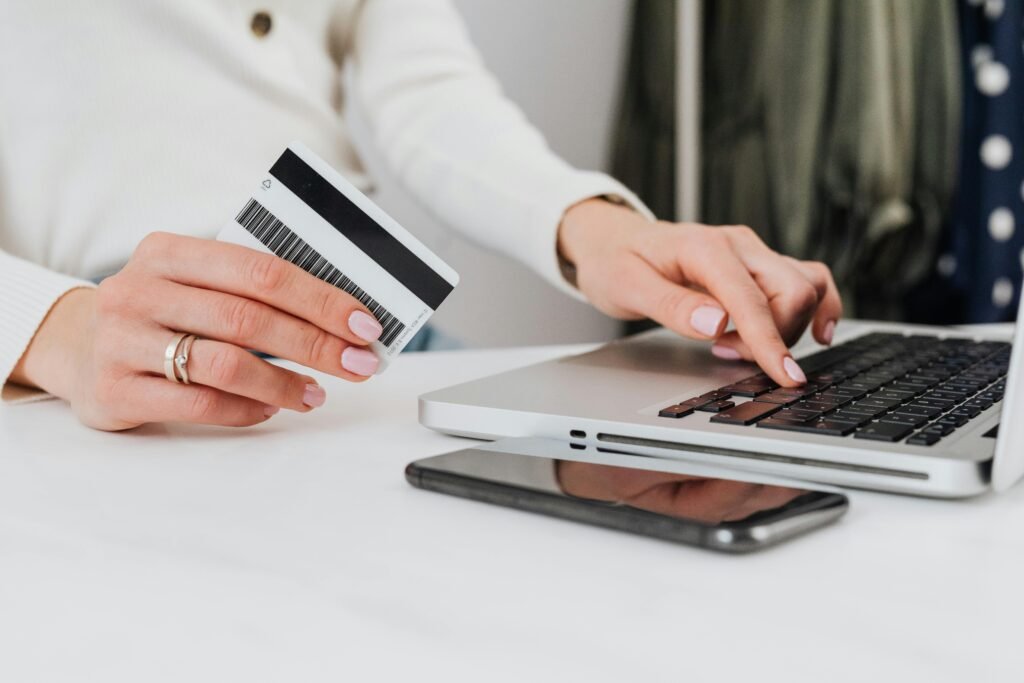
The caller claims you were overcharged for a subscription and needs your computer access to “process the refund.” The intruder can access your bank account information after gaining entry. Banks warn to never let a stranger remotely control your device.
“Safe Account” Transfers

A caller tells you your bank is under investigation and you must move your money to a “safe government account.” The situation presents an urgent danger. Banks will never request you to transfer your funds to another bank for safe keeping.
The Zero-Balance Test
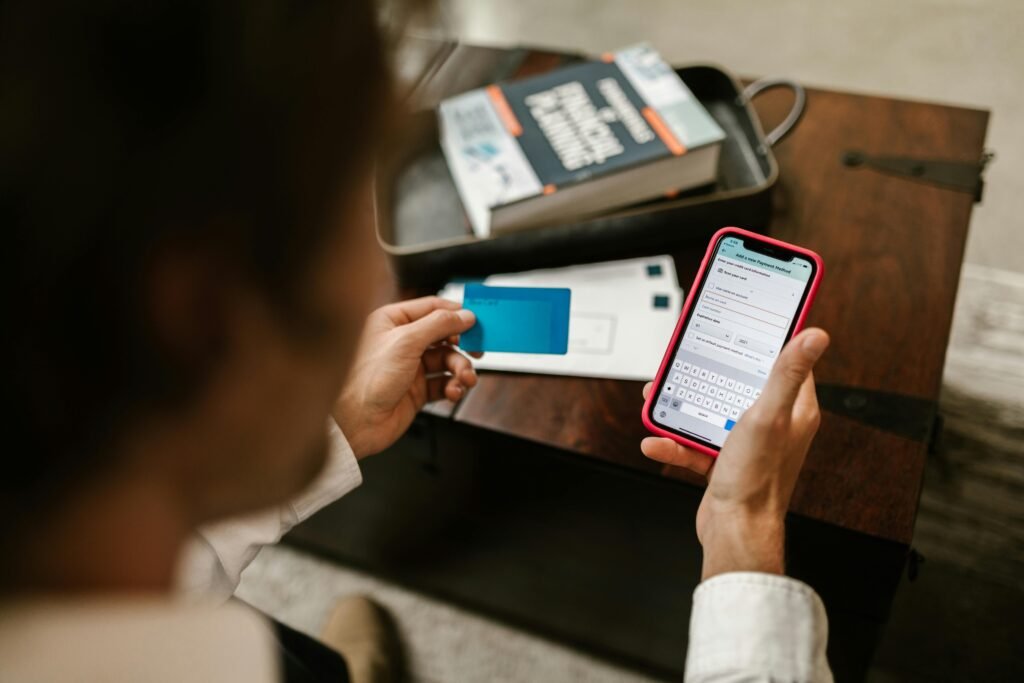
Watch out for tiny, mysterious deposits of just a few cents. Hackers usually test an account by making small transactions before they attempt to take out large sums. You should contact your bank immediately when you notice unexpected pennies in your account.
Social Media “Money Flips”

Influencers sometimes promise to “double your money” if you give them your banking app login. The account will be emptied of all funds. Legitimate banks don’t participate in “get rich quick” schemes on Instagram or TikTok.
Unsecured Public Wi-Fi

Checking your balance while at a coffee shop can be risky. Hackers today create “evil twin” hotspots which allow them to steal your personal information. For financial operations banks recommend customers to use their mobile data instead of public Wi-Fi networks.
The Ghost in the App
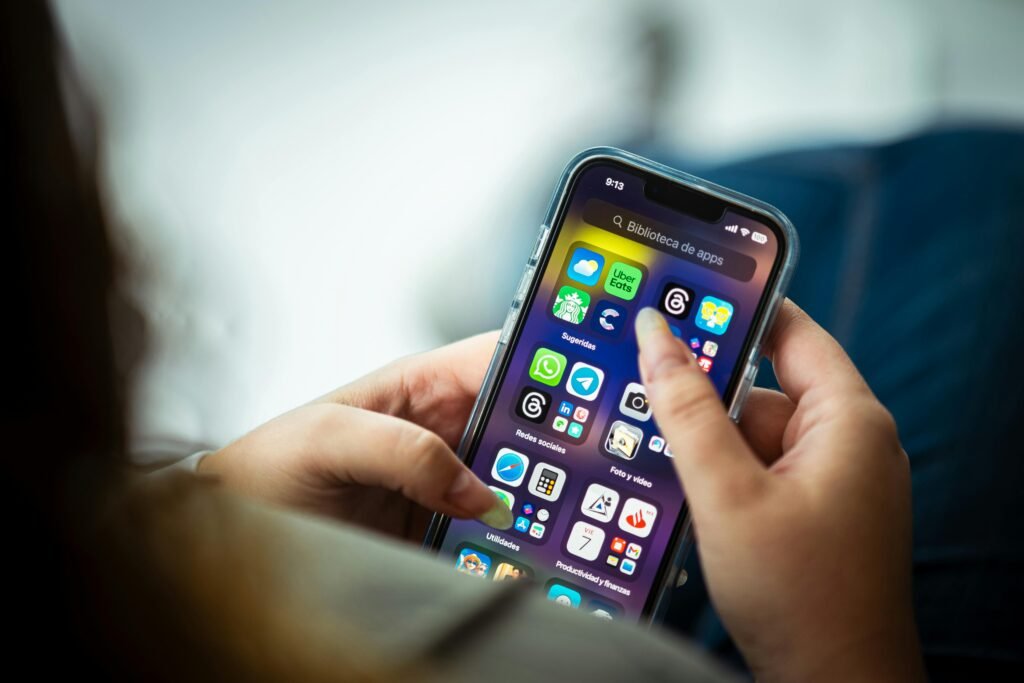
The banking app requires new permissions which were previously unnecessary for its function. The program frequently operates as “malware” which monitors your activities as you enter your password information.
Verification via Face and Voice

Banks use biometrics for authentication because this method provides greater security than traditional password systems. People making strange calls to you will either remain silent or ask you “Can you hear me?” because they want to collect your “Yes” response which functions as their voice print.
Trusting Your Gut

The biggest warning from banks is to trust your intuition. You should hang up when someone makes a request which seems “off” or they show aggressive behavior. It is always better to be “rude” to a stranger than to lose your life savings.