Credit cards are convenient tools that help people manage spending, build credit history, and handle unexpected expenses. However, the way these cards operate is often more complex than it appears at first glance. Many cardholders focus on rewards, cashback, or points while overlooking small details in the terms and billing structure. These details can quietly increase costs over time. Understanding how credit card systems work can help people avoid unnecessary charges and make smarter financial decisions. By learning about some lesser-known practices used in the industry, cardholders can better manage their accounts and maintain stronger control over their everyday finances.
Minimum Payment Illusion

Minimum payment options appear helpful during tight months. However, paying only the minimum extends repayment for years. Interest continues accumulating on the remaining balance, turning small purchases into long-term expenses that quietly increase the total cost.
Grace Period Confusion
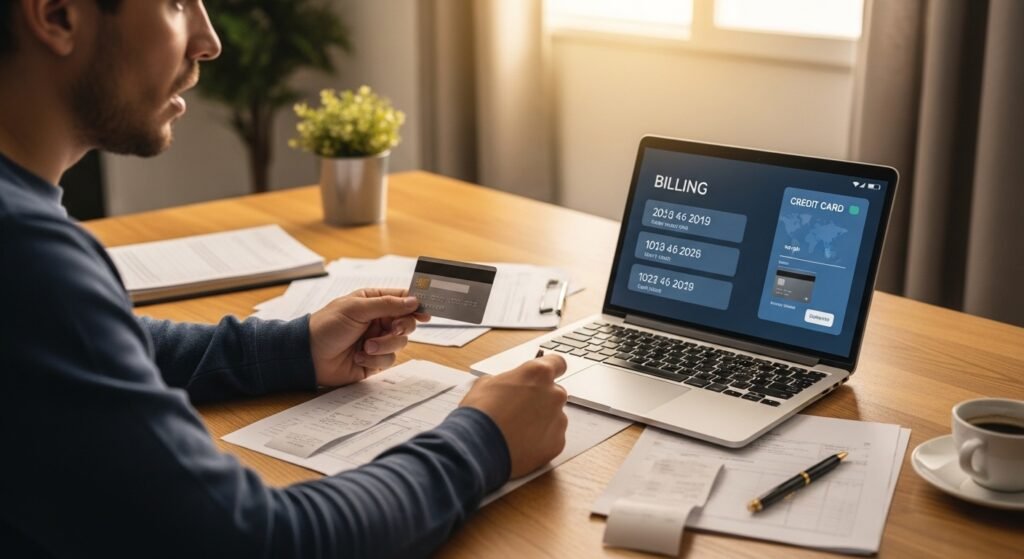
Many people believe every purchase automatically receives an interest-free period. That is not always the case. If a previous balance remains unpaid, new purchases may begin collecting interest immediately, removing the expected benefit of the grace period.
Reward Point Limitations
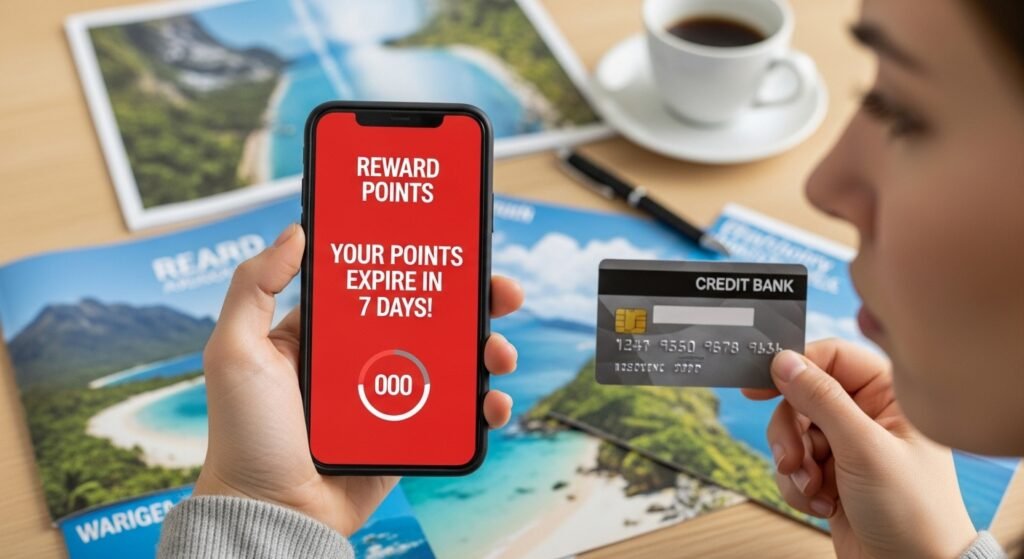
Reward programs attract users with promises of travel points or cashback benefits. Yet many programs include restrictions, expiry dates, or redemption limits. Without careful tracking, points may expire before they are used, reducing their overall value.
Introductory Rate Expiry
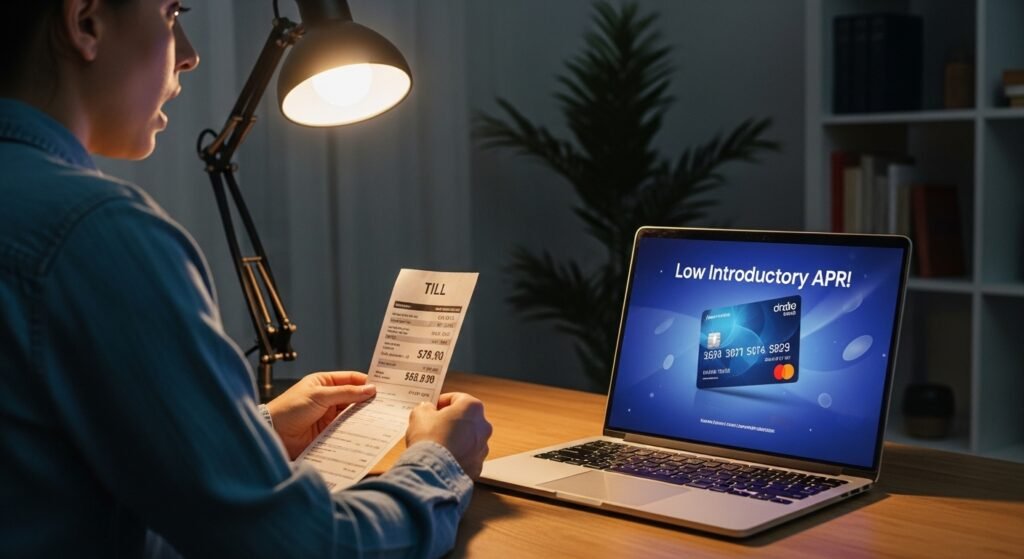
Some cards advertise very low interest rates for the first few months. After the introductory period ends, the interest rate can increase significantly. Cardholders who carry balances may suddenly face much higher monthly costs.
Balance Transfer Fees
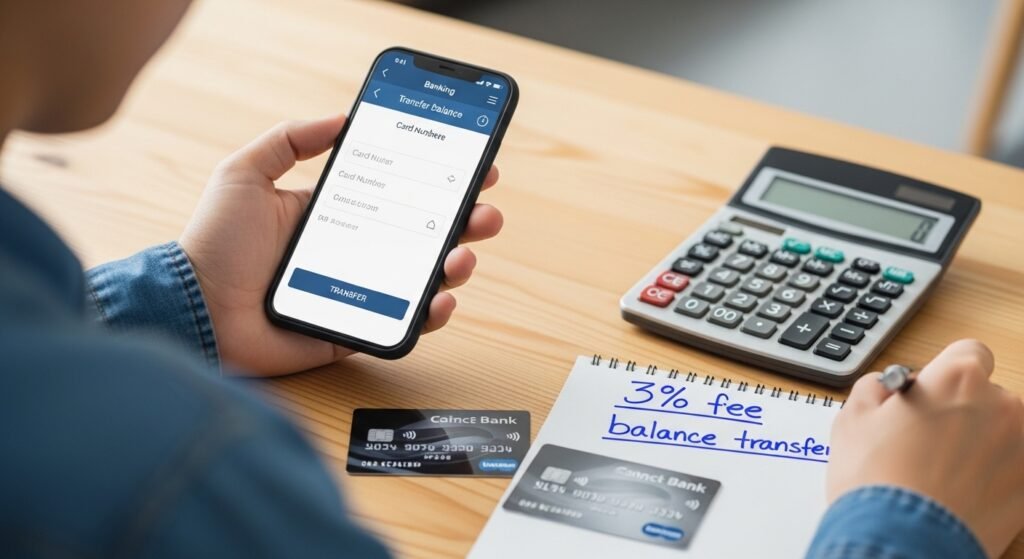
Balance transfers can help consolidate debt, but they often come with processing fees. These charges typically represent a percentage of the transferred amount. Without calculating the total cost, the transfer may offer less savings than expected.
Late Payment Triggers
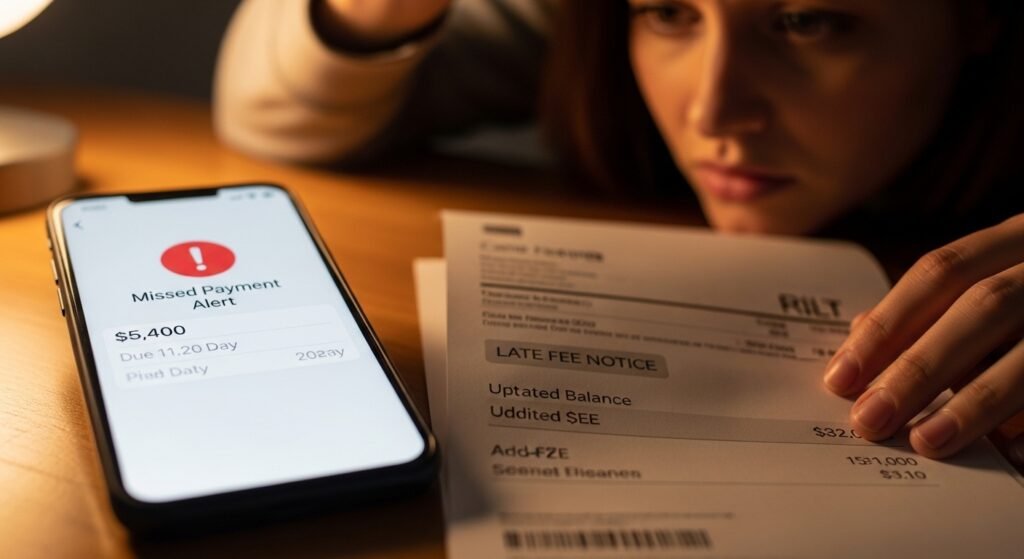
Missing a payment deadline by even one day may result in penalty fees. In some cases, the interest rate on the card may also increase. Setting reminders or automatic payments can help prevent these avoidable costs.
Foreign Transaction Charges

Using a credit card while traveling abroad often leads to foreign transaction fees. These fees are usually a small percentage of each purchase. Frequent international spending can gradually increase the total travel budget.
Credit Limit Impact
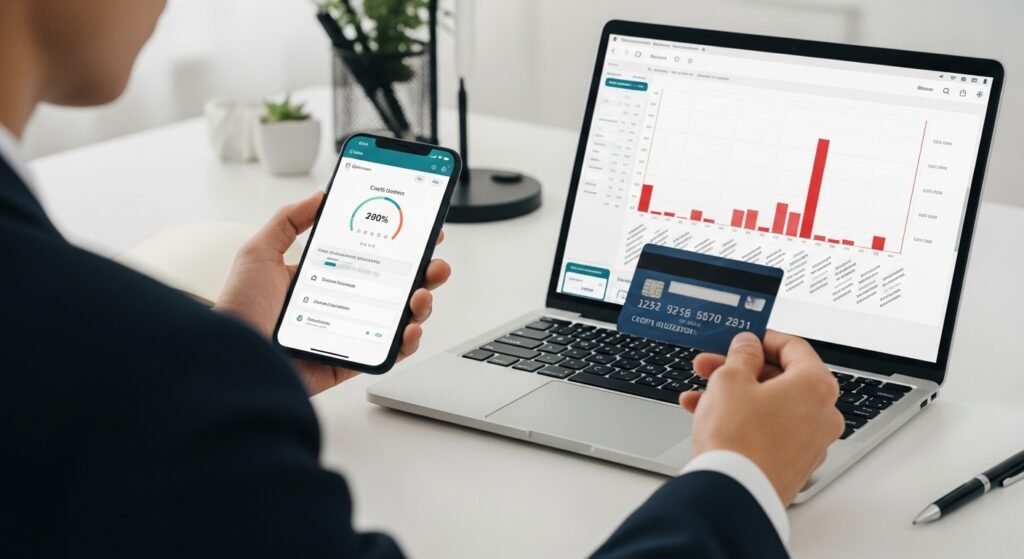
A high credit limit may seem like a sign of financial flexibility. However, using a large portion of the limit can affect credit scores. Maintaining a lower usage ratio helps demonstrate responsible borrowing behavior.
Annual Fee Surprises
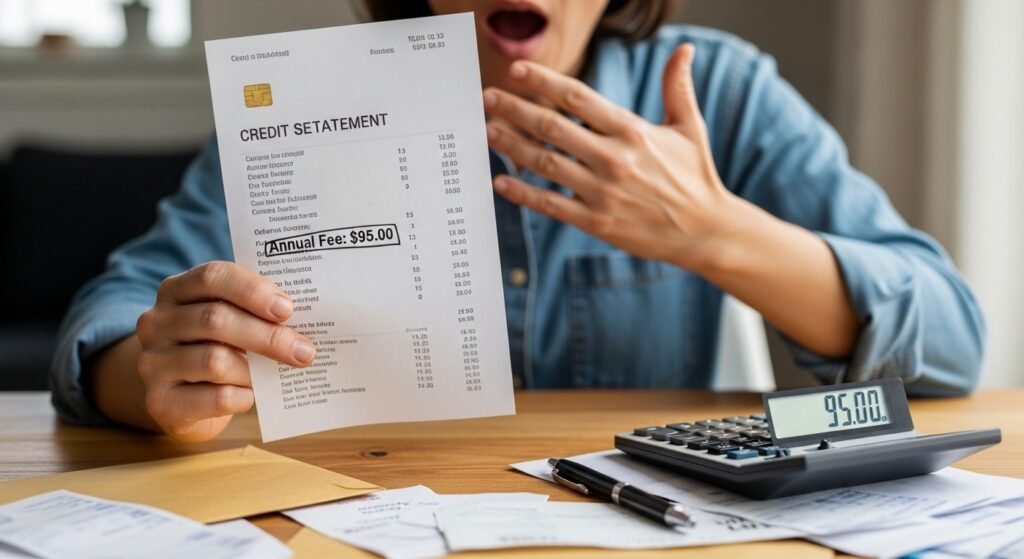
Some credit cards offer benefits that appear attractive at first. Over time, annual fees may offset those benefits. Reviewing whether the rewards truly justify the yearly cost helps maintain better financial balance.
Statement Cycle Timing

The timing of purchases within a billing cycle can influence how quickly interest begins. Charges made near the statement closing date may leave less time for repayment before the next due date arrives.
Data-Driven Spending Encouragement
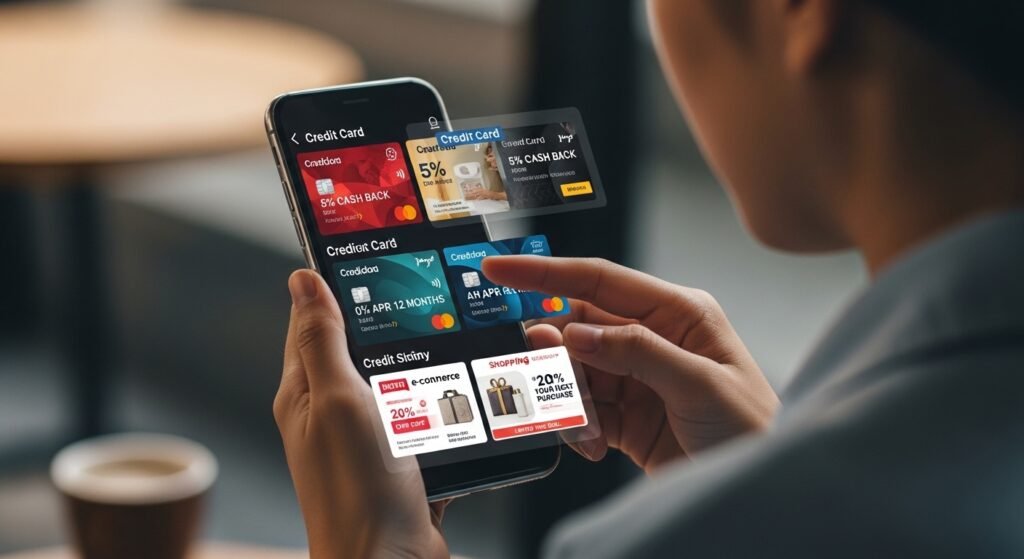
Credit card companies study spending patterns carefully. Personalized offers and promotions may encourage additional purchases. While these offers may appear convenient, mindful spending habits help ensure that purchases remain within planned budgets.