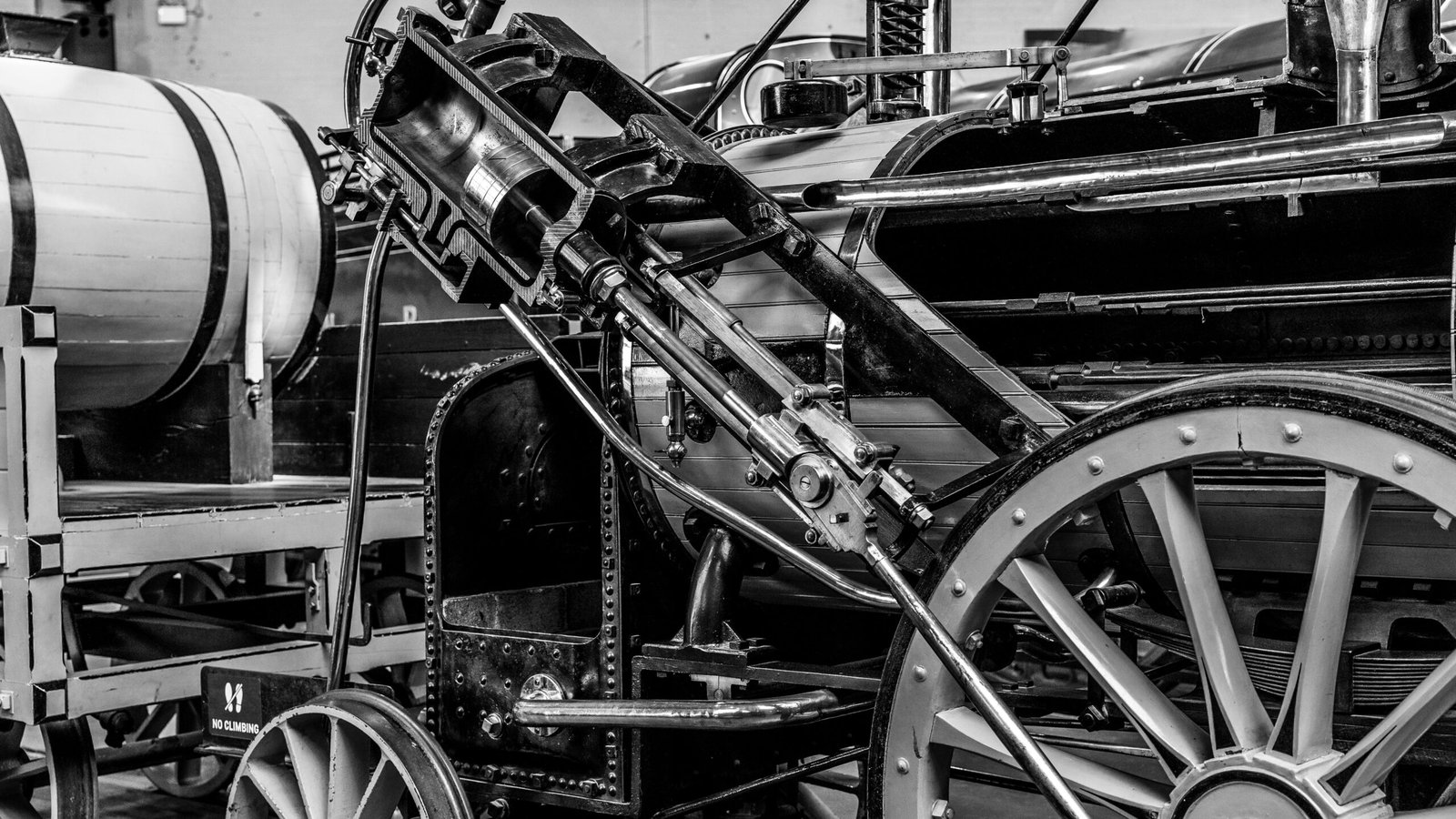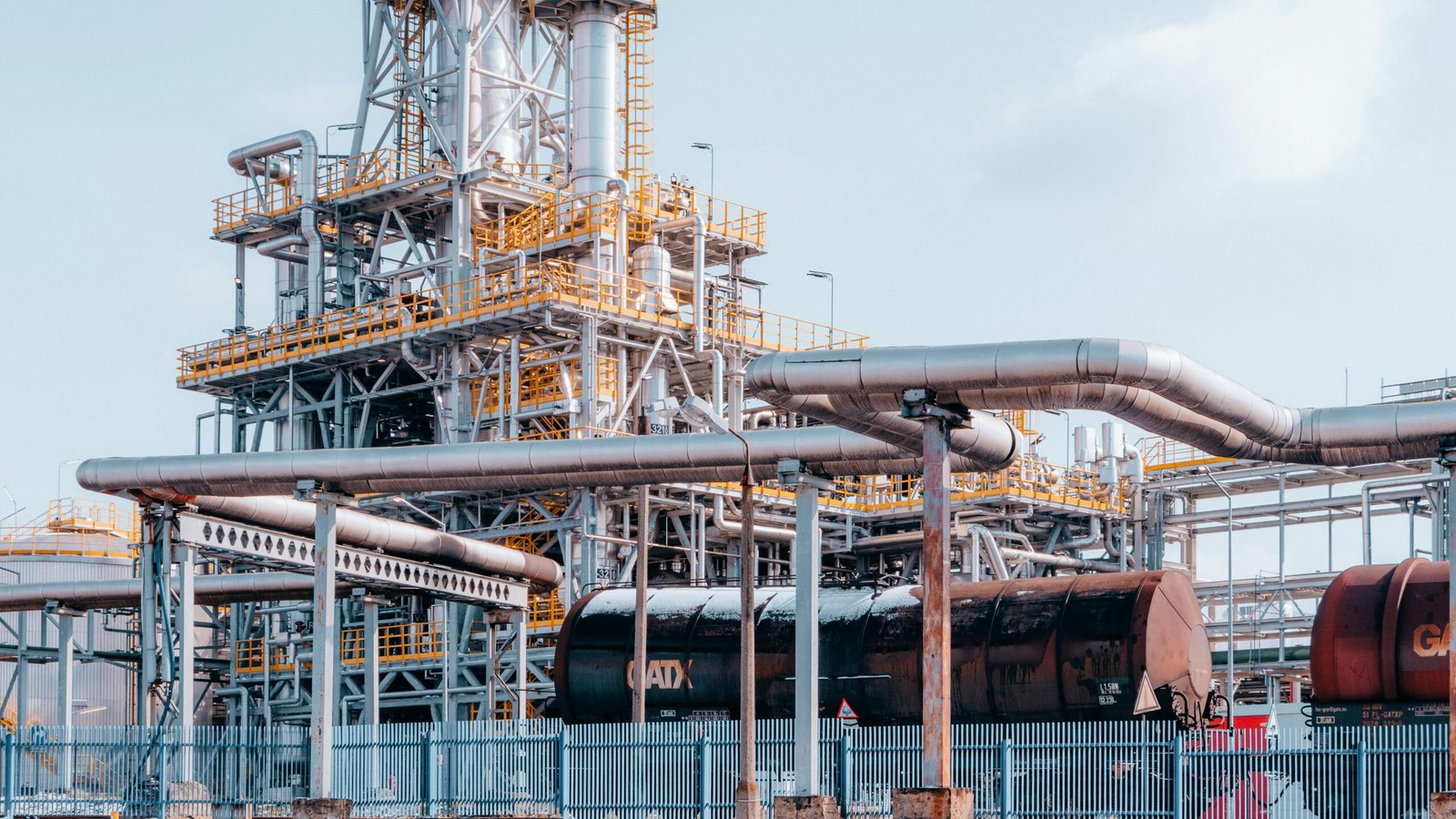
The story of America’s huge wealth isn’t only about money , it’s more like about bold people who looked at raw materials and somehow saw a whole empire in them. Once they figured out oil, steel , and banking, a handful of names really turned a young nation into this global powerhouse, the kind that just keeps expanding.
The Black Gold Rush
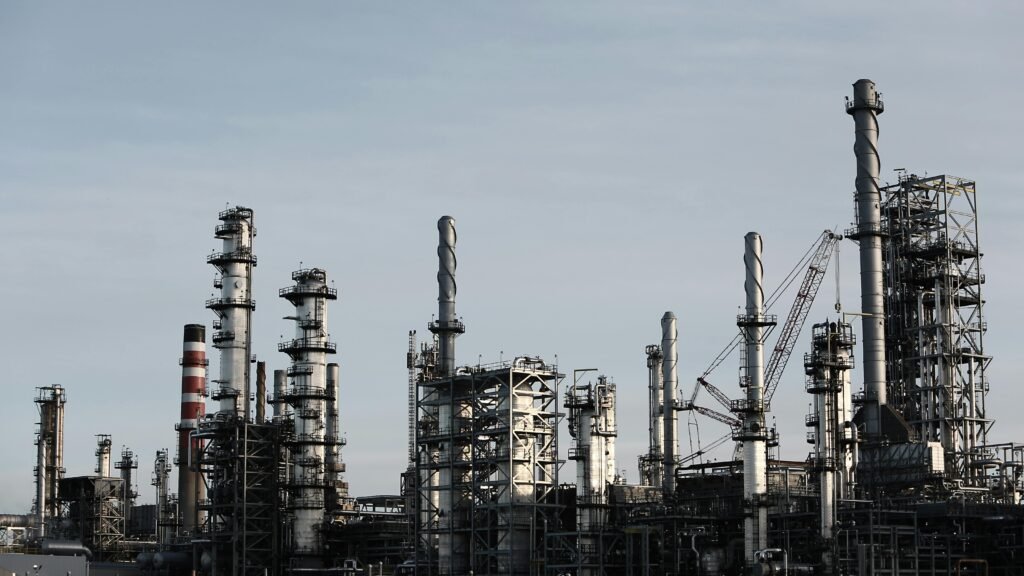
John D. Rockefeller didn’t simply “get” oil, he disciplined it, in a way. Before his rise the oil business was a messy carousel of boom and bust cycles , always spinning too fast. Through Standard Oil , he streamlined refining and the movement of products so the world kept burning lamps and later, powered engines , too.
Forging the Backbone
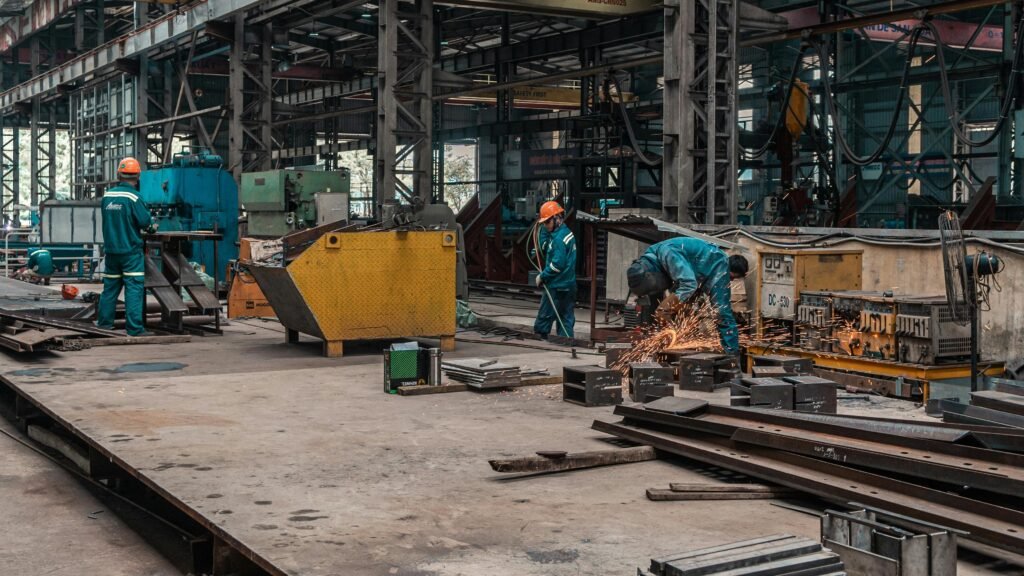
If oil was the bloodstream, steel was the skeleton. Andrew Carnegie did something like rewire how we build. With efficient manufacturing methods, he made steel cheaper and easier to reach, which helped cities climb upward with skyscrapers, and stretch outward with massive bridges and all that.
The Iron Path
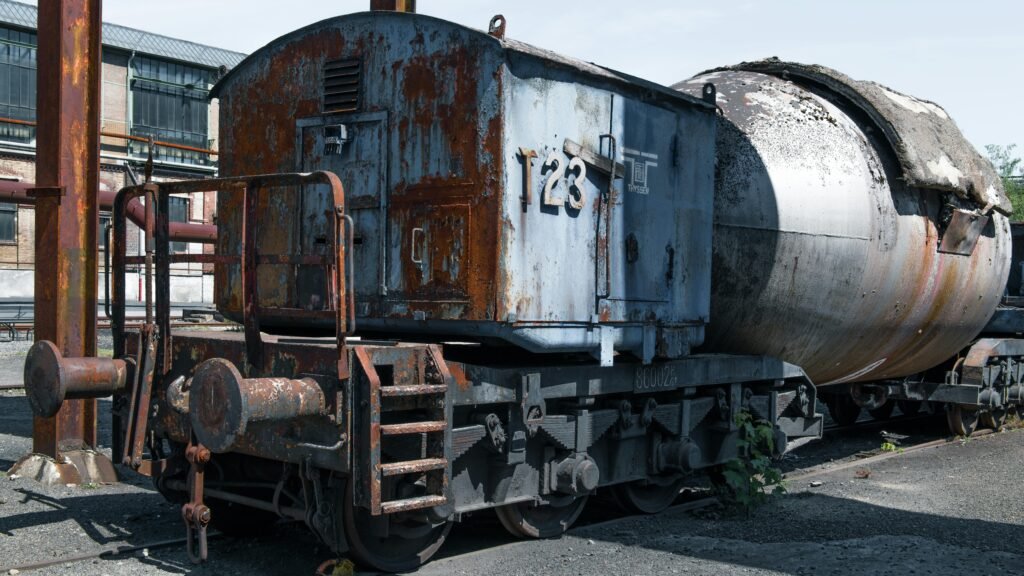
But a big empire needs motion, it needs routes. When steel producers matched up with railroad tycoons, they created a nervous system for the country, linking distant markets and making the fast transport of goods something you could expect every single day.
The Architect of Capital

J.P. Morgan was basically the master weaver of American finance. He didn’t just lend money, he pulled together whole industries. By setting up giant mergers, he muted that cutthroat competition and replaced it with bigger , steadier corporate giants that were more profitable.
Efficiency Over Everything
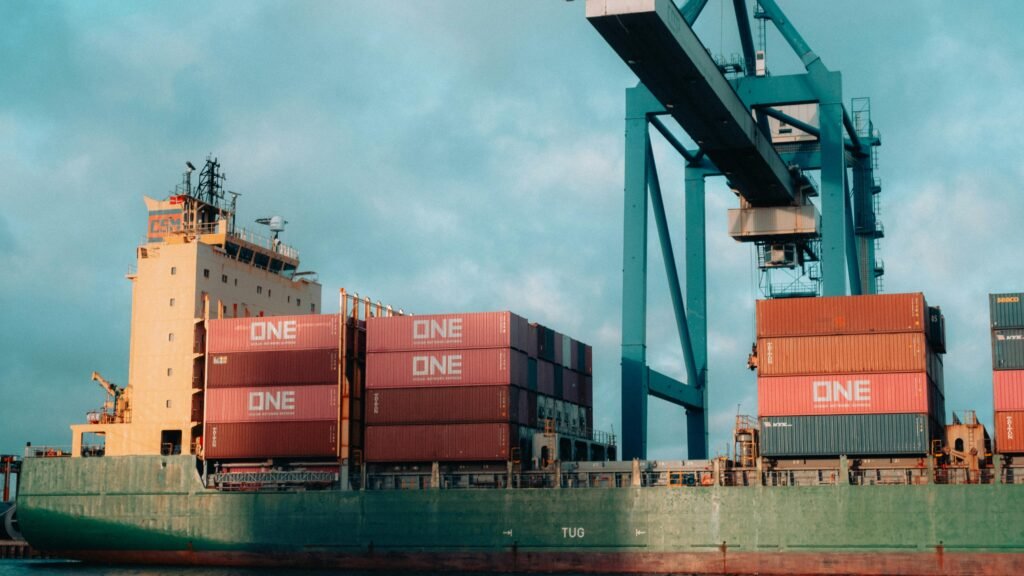
These leaders kept returning to the idea of “vertical integration.” That is, owning the entire pathway from the ground where the iron was mined , to the ships that delivered the finished products. That kind of control brought profit margins that were, frankly, pretty shocking.
Lighting the Way
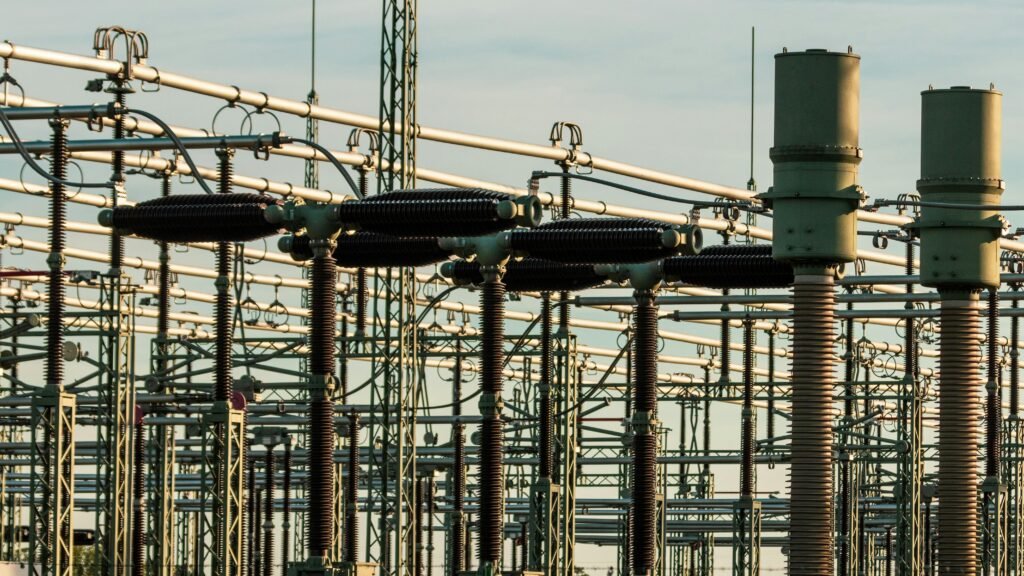
When the shift happened from whale oil to kerosene , and then to gasoline, daily life changed in a very direct way. These empires didn’t just grow, they brought light into homes, which stretched productive hours and helped kick off a lifestyle change people could really feel.
Building Modern Cities
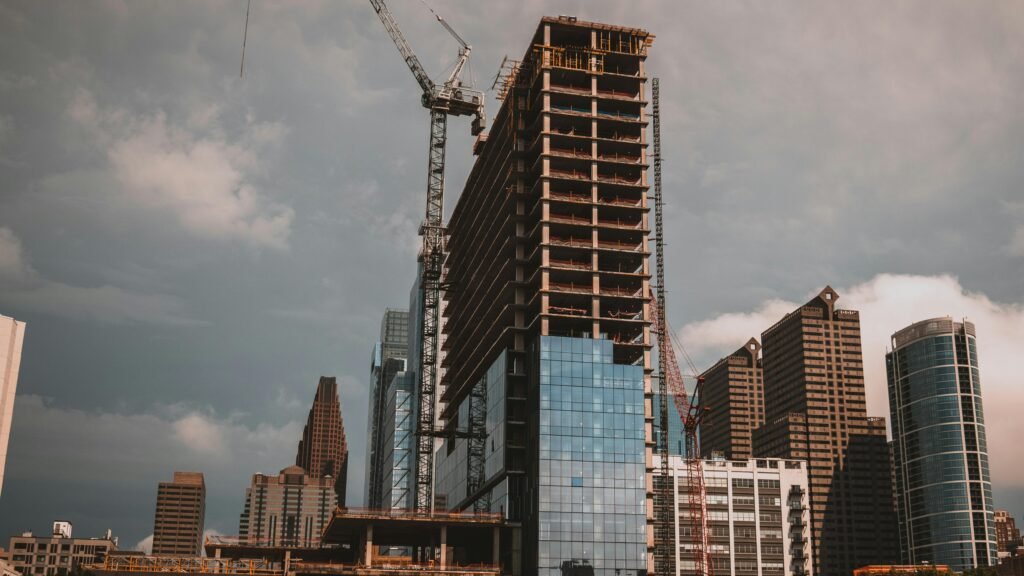
Without the massive output of the steel mills, the modern skyline might not even exist. The “Age of Steel” turned urban places into posters for progress, pulling millions toward fresh employment and new economic opportunities.
The Banking Safety Net
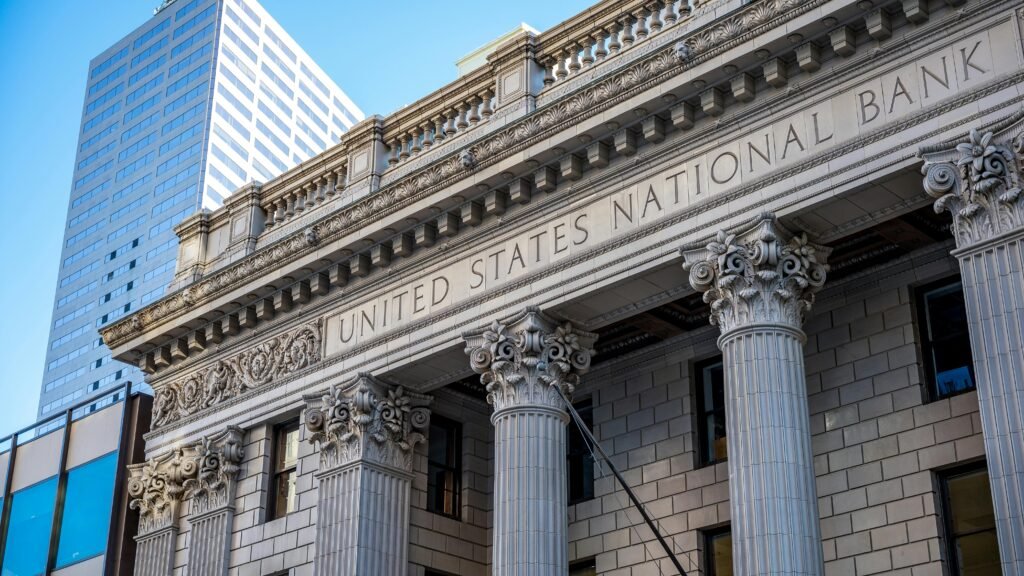
Centralized banking supplied the stability needed for big, long-term investments. By keeping credit moving in a dependable way, banking giants made sure even the most ambitious projects like transcontinental canals, for example, could actually get funded.
The Ripple Effect
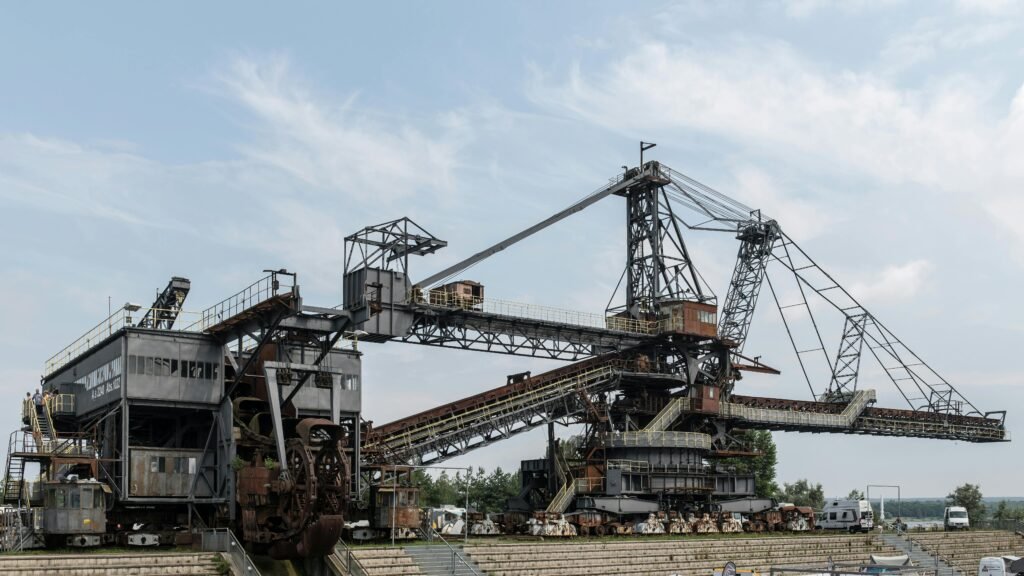
Even though wealth rose to the top first, it didn’t stay there. It fanned out into new technologies, stronger communication networks, and a growing middle class that started tasting the benefits of industrialization, little by little.
A Lasting Legacy

The structures from that era physical , financial, and corporate still act like a foundation beneath the modern economy. The oil, steel, and banking empires didn’t just create money , they also shaped the blueprint for the 20th century , whether people realize it or not.