
Living in the U.S. can kinda feel like you’re on this nonstop financial treadmill like, eggs to car insurance it all seems to be speeding up, right. Still, keeping control of your money doesn’t have to be this awful task, or feel like a strict no to everything. Think of a budget more like a rough, helpful map, not a “stop” sign and it guides you toward saying yes to the stuff that actually matters to you.
The “Pay Yourself First” thing

Most folks pay bills, then spend what’s left, and if there’s anything even after that… then savings gets the crumbs. Flip it. Treat saving as a bill that shows up, on schedule, like the first day of the month. Automate a set amount to a high-yield savings account before you ever see it. When the money is already moved, spending temptation has a much harder time sneaking in.
Spot the “Invisible Leaks”

We all have them. That streaming subscription you haven’t touched in forever, or the gym membership you keep “planning” to use. These tiny monthly drains often stack up into big numbers before you even notice. Spend like an hour checking your bank statements, then cancel anything that doesn’t bring quick, real value.
Try the Grocery Game, but backwards

Food is usually a top flexible expense for American households. Instead of walking the aisles like it’s a mystery show, go for “reverse meal planning” and use what’s already sitting in your pantry and freezer, then buy just the ingredients you truly need to turn it into meals. Less waste, and often your checkout total gets smaller too
Use the 72-hour rule

Impulse buys can wreck a solid budget fast. If you’re scrolling online or you see something in a store that you “have to have,” pause. Give it 72 hours before you buy it. Most times the excitement fades, and you realize you didn’t actually need it, so your cash stays in your pocket where it belongs
Put your emergency fund to work

If your emergency savings are parked in a traditional big bank savings account, you’re probably earning basically pennies. Move that “rainy day” stash into a High-Yield Savings Account (HYSA). Same general safety vibe, but your money works harder with way better interest
Make saving kind of a game

Budgeting can feel boring, so don’t treat it like homework and do a “no-spend weekend” once a month where you only use what’s already at home and look for cheap or free local fun like hiking or community events. It turns being frugal into a family mission, and somehow that makes it stick
Use cash back and loyalty, carefully
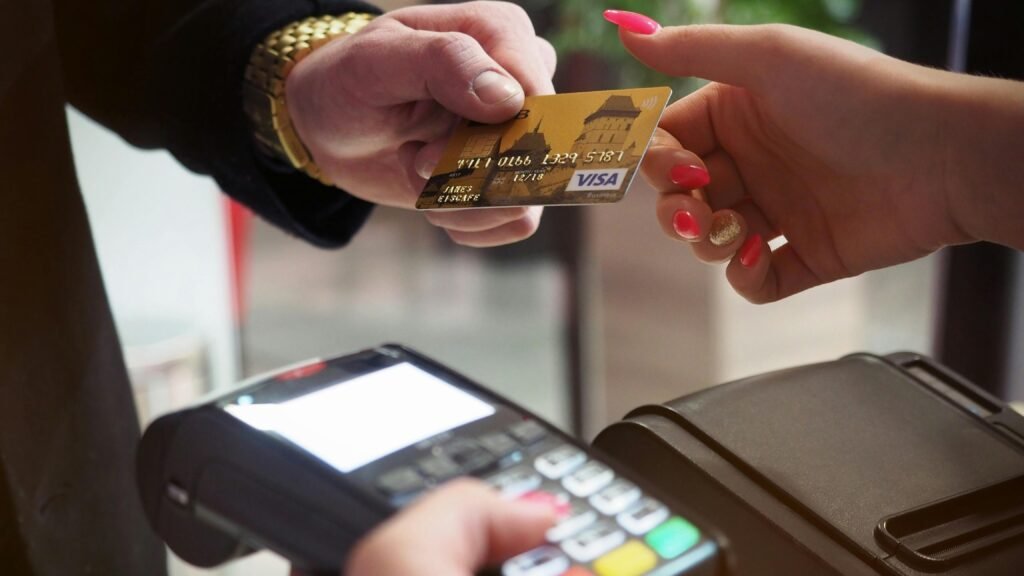
If you’re going to spend anyway, aim to get something back. Cash-back apps and credit cards (but only if you pay them off monthly!) can help you claw back a percentage on gas, groceries, and everyday essentials
Plan for “phantom” costs

Some expenses don’t feel like they’re coming until suddenly they are and things like annual car registration, holiday gifts, or quarterly insurance premiums. They show up every year but act like surprises. A clean method is to split each cost by 12 and save a little each month, so when the bigger bill lands, you’re ready not panicking
Go for generic when it makes sense

In the U.S. many store-brand products are made in the same factories as the name brands and swapping to generic for staples like medicine, cleaning supplies, and basic pantry items can cut monthly costs by 20% or more, without changing how you live day-to-day
Remember the “why”

Budgets get easier when they connect to a real reason. Whether it’s a Disney trip, a down payment, or just that calm feeling of being debt-free, keep a note or picture of the goal where you’ll actually see it and once you know what you’re saving for, skipping that extra takeout meal starts to feel like a win, not a punishment