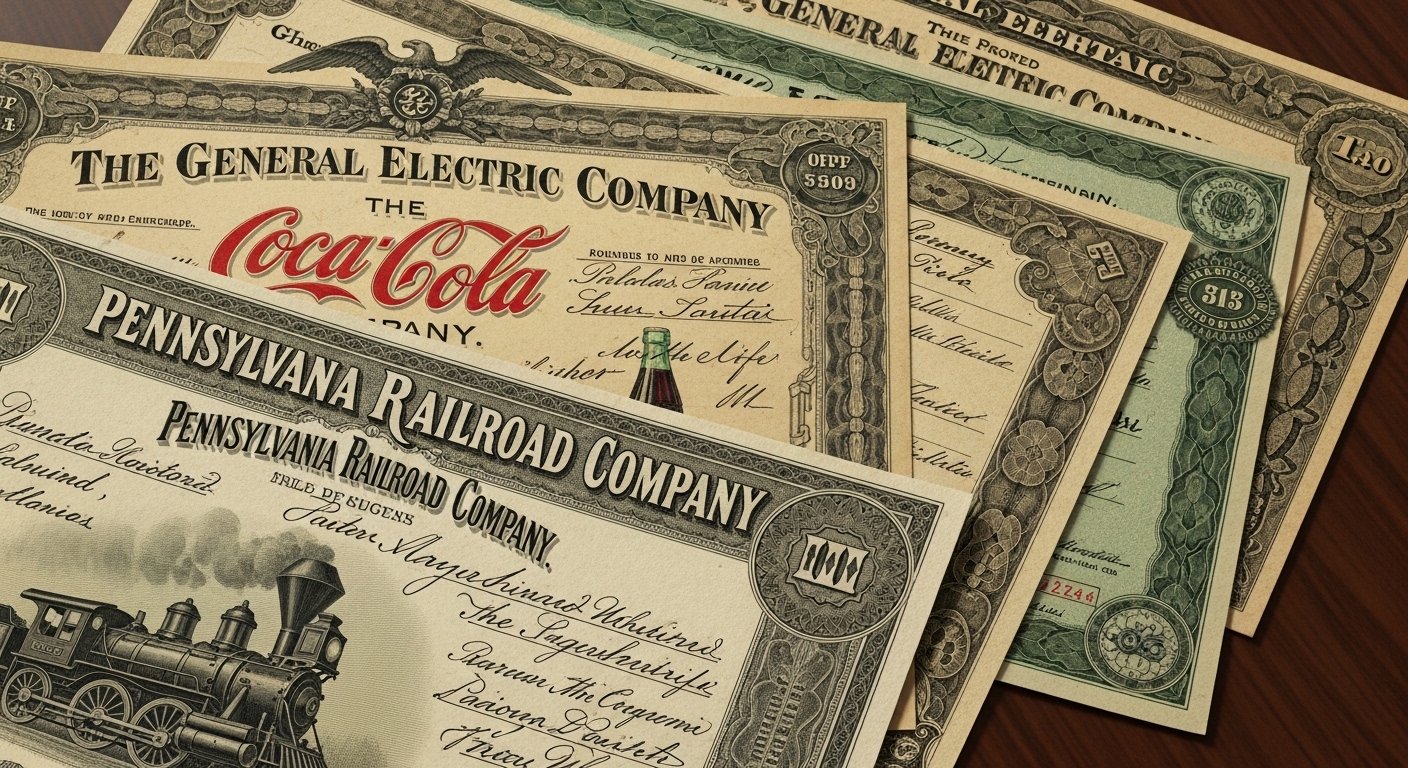
Markets feel unpredictable right now and in some ways they genuinely are. But the patterns showing up today are not new. They have appeared before in different forms across different eras and the outcomes that followed are already documented. History does not repeat perfectly but it rhymes closely enough to be worth paying attention to right now.
Debt Always Has a Limit

Every major market collapse in history had excessive debt somewhere underneath it. When borrowing outpaces the actual ability to repay, the correction that follows is rarely gentle or gradual.
Confidence Can Vanish Overnight

Markets run on belief as much as fundamentals. The moment collective confidence shifts, prices can move faster than any rational analysis predicted. History shows this happening repeatedly across completely different asset classes.
Cheap Money Creates Problems Later

Extended periods of low interest rates have historically pushed investors into riskier assets than they would normally touch. When rates eventually rise the unwinding of those positions tends to be messy and painful.
New Era Thinking Is Usually Wrong

Every bubble in history came with a story about why this time was genuinely different. Railroads, radio stocks, dot com companies, housing – each era had its version of the argument that old rules no longer applied.
Inflation Surprises People Every Time
Historical records show inflation arriving faster than expected and staying longer than predicted almost every single time it becomes a serious issue. The playbooks used to contain it come with real costs attached.
Political Instability Moves Markets

Wars, elections, policy shifts, government collapses – historical market data shows political uncertainty creating volatility that catches even experienced investors off guard when it arrives without clear warning.
Commodities Signal What Is Coming

Oil, grain, metals – commodity prices have historically moved ahead of broader economic trouble. Watching what physical goods are doing has given investors early warning of problems that financial markets had not yet priced in.
Diversification Still Fails During Panics

During genuine market panics correlations between asset classes tend to move toward one. Things that were supposed to protect portfolios have historically sold off alongside everything else when fear becomes the dominant driver.
Recovery Takes Longer Than Expected

After major downturns investors have historically underestimated how long real recovery takes. Stock prices recover faster than employment, wages, and underlying economic health and those gaps create risks of their own.
The Crowd Is Usually Wrong at Extremes

Peak optimism has historically marked market tops and peak pessimism has marked bottoms. The moments when the consensus feels most certain have repeatedly turned out to be the worst times to follow it.
Regulation Always Arrives After the Damage
New financial products and markets have historically outpaced the regulation designed to manage them. The rules that arrive after a crisis are written around what just happened rather than what is coming next.