
Humans displayed remarkable inventiveness when they created methods for debt repayment and meal procurement before the invention of applications and billing documents. Our ancestors considered “money” to be a system of trust and neighborly favors instead of seeing it as a physical object. It served as the essential mechanism through which communities maintained their social connections beyond basic survival requirements.
The “I Owe You” Social Circle

Before coins were invented, people existed in tight-knit communities where everyone had personal ties with their neighbors. Your neighbor needed to pay back your apple basket donation but they would not do so until they created a mental “credit” of your contribution. The first banking system emerged from this social memory which served as a framework for financial transactions.
The Gift Economy

In many ancient cultures, people used gifts to demonstrate their social standing. The chief’s huge feast required guests to pay back their meal through future support of the chief. Community loyalty was established through the practice of giving.
Bartering for the Essentials

This was the classic “my cow for your grain” swap. Bartering required you to discover someone who wanted your goods at the precise moment you needed their items.
Commodity Money (Salt)

Roman soldiers received salt as their payment because it functioned as a vital food preservation tool. The term “salary” derives from this historical practice. People used salt as “money” because they could consume it or use it to preserve their meat for winter storage.
Cattle as a Moving Bank

For centuries, cows and sheep were the ultimate high-value currency. The value multiplication process of wealth began when you possessed two cows because your ownership would transform into three cows. The animals functioned as simple counting tools which enabled their new owner to take them away.
Grain in the Great Temples
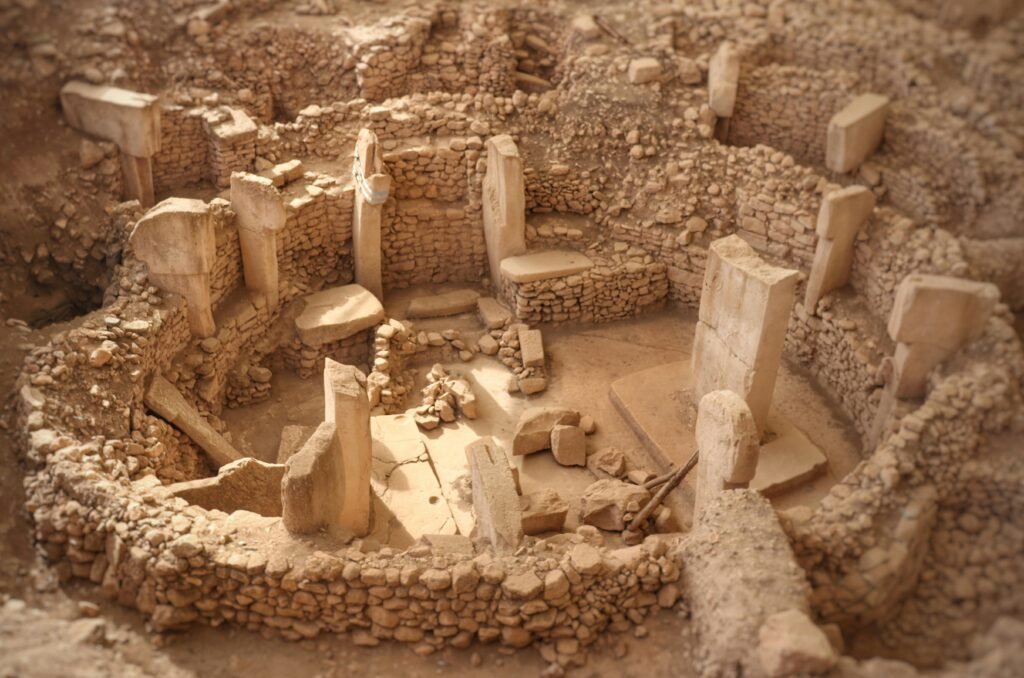
In ancient Mesopotamia, farmers used their grain to create storage facilities inside large communal temples. They received clay tablets which indicated their current “balance” status. These tablets functioned as the initial paper checks which customers used to complete their purchases without needing to transport bulky grain.
The Shell Game

Cowrie shells served as currency in Africa and Asia for thousands of years and travelers found the small durable items which could not be duplicated to serve as their ideal portable currency.
Giant Stone Money

The island of Yap featured enormous limestone discs known as Rai stones which served as their currency system. The stones which weighed too much to shift remained in their original location after their acquisition so people simply acknowledged the change of ownership.
Cocoa Beans in the Americas
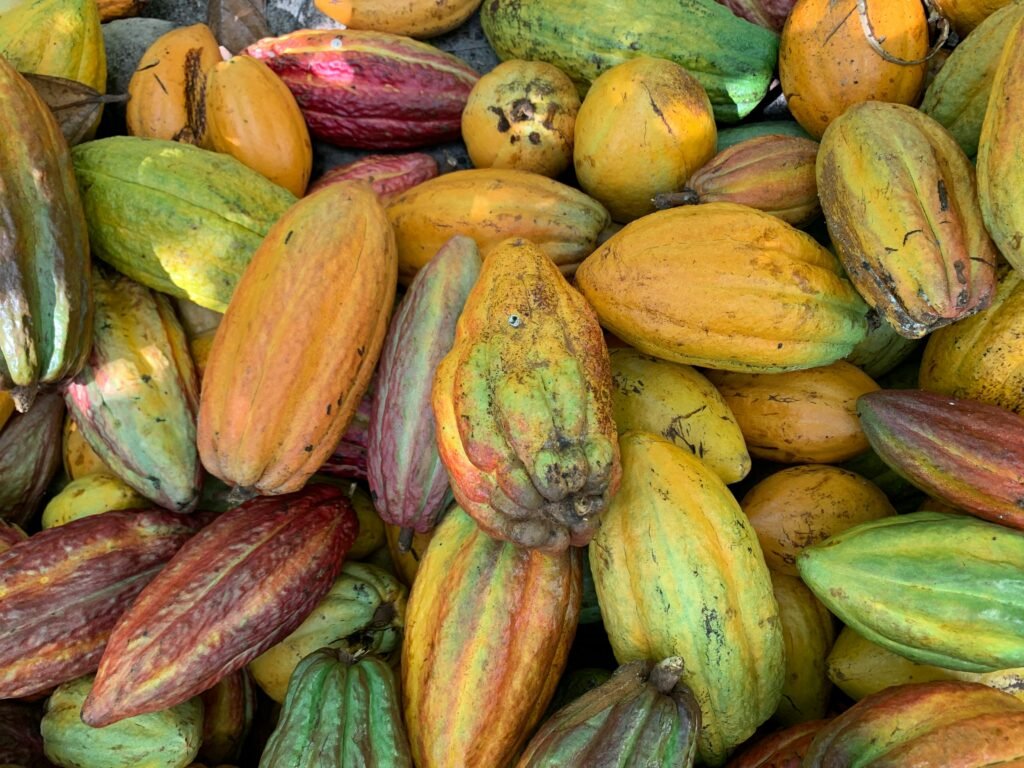
The Aztecs used cocoa beans as a small change. You could buy a rabbit for 30 beans. This currency which functioned as “delicious” money had intrinsic value because people could transform their wallets into hot chocolate cups.
The Tally Stick

The English government used notched wooden sticks to document financial obligations during the medieval period. The stick was divided into two equal parts which allowed both parties to maintain a permanent record of all debts.